Home » Trends in Immunotherapy

2025 Vol.9 No.4

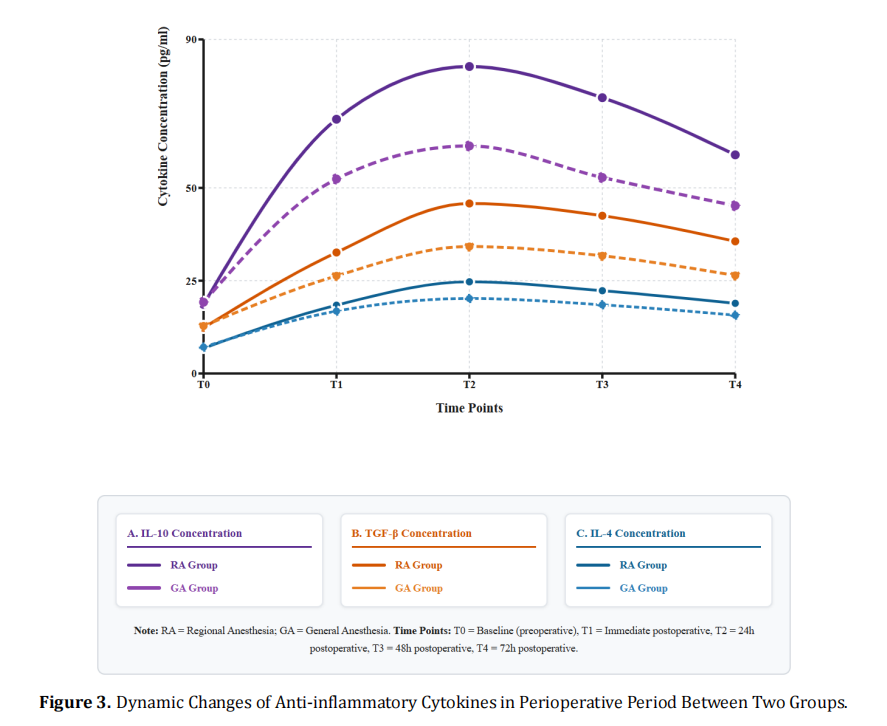
Clinical Research on the Regulation of Perioperative Inflammatory Response by Regional Anesthesia via the Neuro-immune Axis
11 (Views) 8 (Downloads)

Clinical Research on the Regulation of Perioperative Inflammatory Response by Regional Anesthesia via the Neuro-immune Axis

This study enrolled 120 patients undergoing elective abdominal or orthopedic surgery (aged 18–75 years, ASA classification I-III) and employed a prospective randomized controlled design to evaluate the effects of regional anesthesia (RA group, n = 60) versus general anesthesia (GA group, n = 60) on perioperative neuro-immune regulation. Through systematic assessment of perioperative cytokine pr...
View pdf Read more →
Immune Response to Spray-Dried Porcine Plasma-Fed Diet: A Systematic Review and Meta-Analysis of Animal Model
8 (Views) 7 (Downloads)

Immune Response to Spray-Dried Porcine Plasma-Fed Diet: A Systematic Review and Meta-Analysis of Animal Model

Spray-dried plasma (SDP), a byproduct of the meatpacking industry, is commonly used in swine diets to enhance growth and optimize feed utilization. Multiple studies have shown that animals' immune responses can be improved by giving them plasma proteins like SDP orally. This study aims to highlight the importance of non-invasive dietary interventions in stimulating immune responses and enhancin...

View pdf Read more →

Designing Next-Generation Platforms with Machine Learning to Optimize Immune Cell Engineering for Enhanced Applications

Immune cell engineering is a cutting-edge strategy in modern immunotherapy, enabling precise, personalized treatments using modified immune cells such as CAR-T and NK cells. This paper introduces an Intelligent Optimized Machine Learning (IoML) framework with Sorting Slap Swarm Optimization (SSSO) to enhance immune cell design. The IoML model employs a ranking-based Deep Neural Network (DNN) to...

10 (Views) 7 (Downloads)
View pdf Read more →
Inactivation of Indoor Environmental Allergy‑Related Substances by Ozonated Water In Vitro
10 (Views) 8 (Downloads)

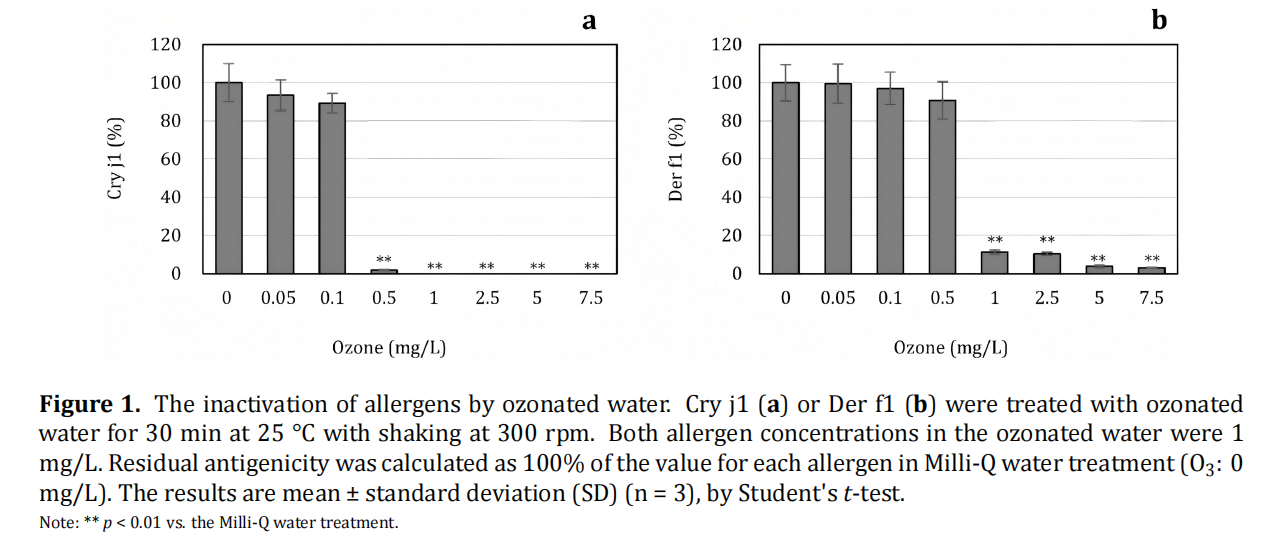
Inactivation of Indoor Environmental Allergy‑Related Substances by Ozonated Water In Vitro

Allergic diseases are thought to be caused by a combination of acquired immune activation, excessive activation of innate immunity, and disruption of epithelial barrier function due to scratching, proteases, and more. The removal and inactivation of allergy-related substances in indoor environments are considered effective for reducing allergic disease symptoms. The typical allergens in Japan a...

View pdf Read more →
Clinic-Laboratory Classification of Primary Minor Immunodeficiencies in Humans
16 (Views) 10 (Downloads)

Clinic-Laboratory Classification of Primary Minor Immunodeficiencies in Humans

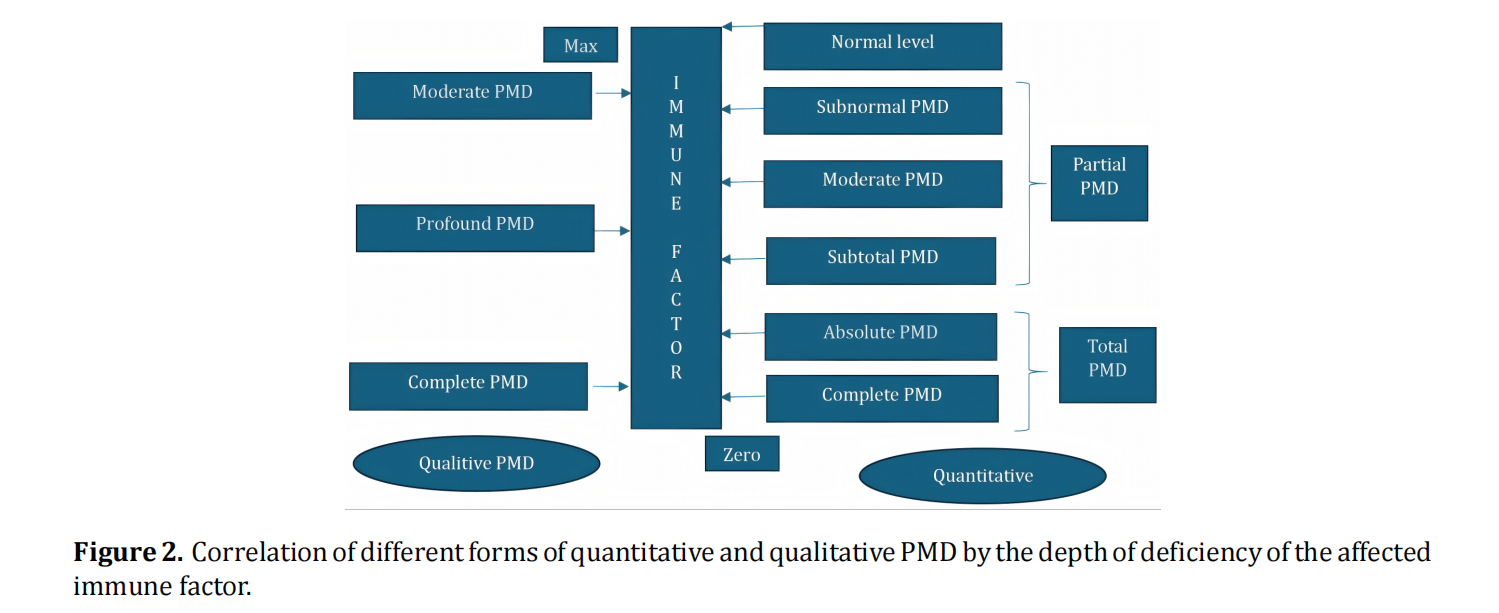
Only some primary immunodeficiencies are often found in the population, characterized by a mild clinical phenotype and creating a significant burden on society, so-called primary minor immunodeficiencies (PMD). The study aims to create a clinical and laboratory classification of PMD in humans for basic science and practical medicine. A systematic review of scientific publications in PubMed (MED...

View pdf Read more →
Exosome-Mediated Immunomodulation in Hair Regeneration: From Bench to Bedside
8 (Views) 9 (Downloads)

Exosome-Mediated Immunomodulation in Hair Regeneration: From Bench to Bedside

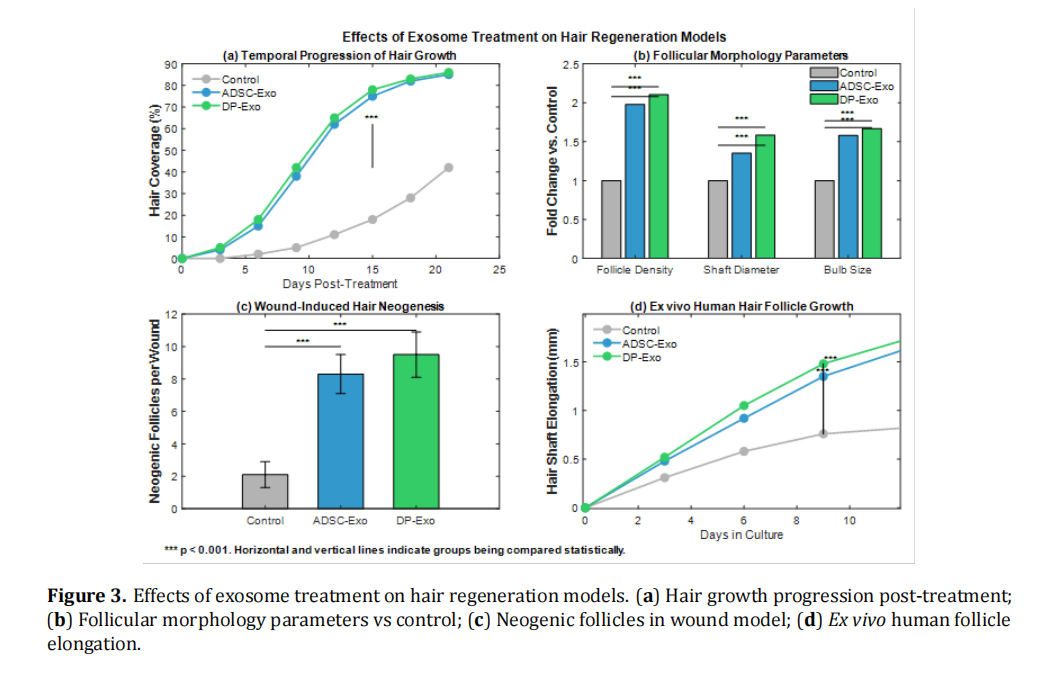
Hair loss still frustrates patients and doctors alike because available treatments yield only modest results; accordingly, researchers are pursuing fresh approaches that target the disorder at its biological roots. The study reported here examined how exosome-based immune tuning affects hair regrowth in mouse models and in ex vivo human follicle cultures. When delivered to skin in the ...

View pdf Read more →

Periodontal and Systemic Diseases: Shared Pathophysiology

Periodontitis is a chronic, progressive inflammatory disease characterized by the gradual destruction of the supporting structures of the teeth, including the periodontal ligament and alveolar bone. This condition primarily originates from microbial dysbiosis in the oral cavity, further influenced by the host’s immune responses and a variety of environmental and behavioral factors. As the leadi...

0 (Views) 6 (Downloads)
View pdf Read more →
Bacterial Community Diversity, Richness, and Possible Immunotherapies Association in Response to Spray-Dried Porcine Plasma-Fed Diet: An Animal Model
8 (Views) 6 (Downloads)

Bacterial Community Diversity, Richness, and Possible Immunotherapies Association in Response to Spray-Dried Porcine Plasma-Fed Diet: An Animal Model

This study aims to demonstrate the significance of employing non-invasive dietary intervention to control the diversity and abundance of bacterial communities in feces. The indexing databases Scopus, PubMed/Medline, ISI Web of Science, Embase, Cochrane Central, and CINAHL were extensively searched.  Only 13 of 541 papers found in the initial searches met the criteria. Seven studies involving 21...

View pdf Read more →
Heat Shock Protein for Use in Cancer Vaccine Therapy: Immune Response and Immunotherapy
7 (Views) 7 (Downloads)

Heat Shock Protein for Use in Cancer Vaccine Therapy: Immune Response and Immunotherapy

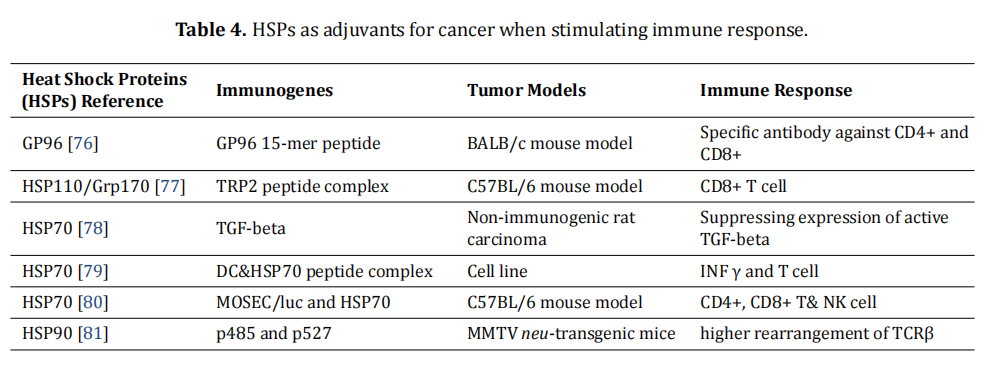
Considering what was said about Heat Shock Proteins (HSPs) role in the presentation of tumor antigens, today, before using tumor cell extracts as antigens in vaccine preparation, researchers try to increase the efficiency of antigen presentation by APCs via inducing these proteins; however, since different cell lines express different amounts of HSPs under the influence of different temperature...

View pdf Read more →
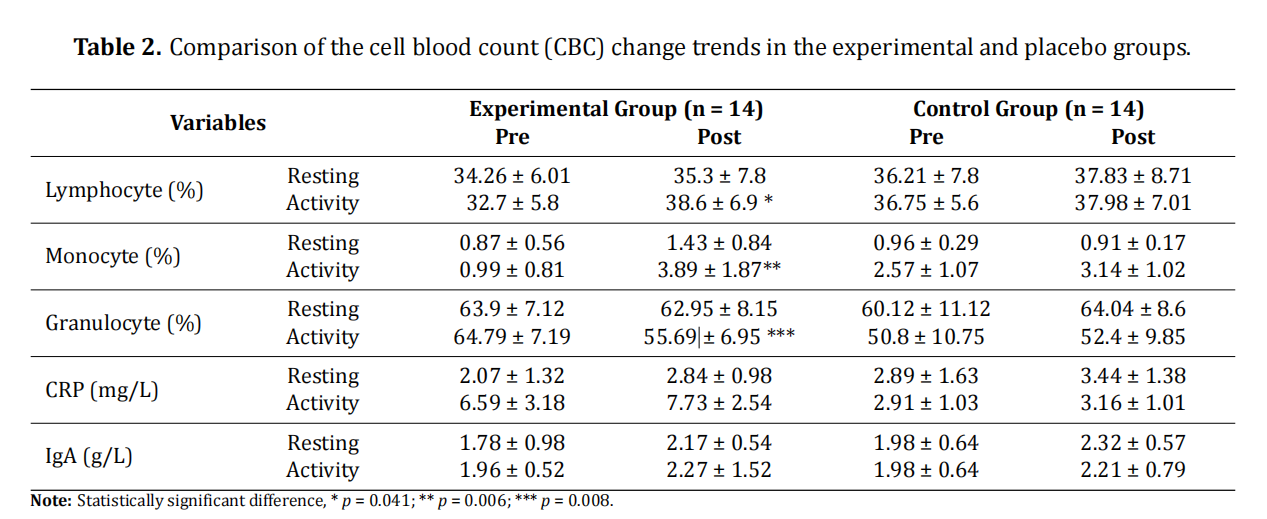
Immune Response to Probiotics and Physical Activity: A Clinical Study
8 (Views) 7 (Downloads)

Immune Response to Probiotics and Physical Activity: A Clinical Study

This study assessed the effect of probiotic supplementation on immune response in physically active males before and after exhausting exercise. With growing evidence linking gut health to immune function, the aim was to determine whether 12 weeks of probiotics could influence key immune markers in athletes. In this semi-experimental study, 28 male athletes (18–35 years) from sports centers in O...

View pdf Read more →