Journal of Qualitative Research in Education(jqre)

Journal of Qualitative Research in Education

Latest Issue
Volume , Issue 45
December 2025
Access: Full Open access

The Journal of Qualitative Research in Education is an open access, online, and peer-reviewed scholarly international journal. It is published Quarterly (January, April, July, and October). The main purpose of the journal is to serve as an academic forum for the development and enhancement of the qualitative research paradigm in educational research, both in theory and practice.

  • ISSN: 2148-2624
  • Frequency: Quarterly 
  • Language: English
  • E-mail: jqre@ukscip.com

Starting from Issue 45 (2026), Journal of Qualitative Research in Education will be published by UK Scientific Publishing.
From October 20, 2025, all new submissions should be made via the new submission portal: https://ojs.ukscip.com/index.php/jqre.
All previously published content remains accessible on the former publisher's website.

Submit Manuscript

Latest Published Articles

Articles Article ID: 1929

Perceived Achievements and Challenges with Using the Blended Writing Feedback System Based on CEFR in China

This study examines Chinese undergraduate EFL learners’ perceptions of a Blended Writing Feedback (BWF) system aligned with the Common European Framework of Reference for Languages (CEFR), integrating automated feedback from Cambridge Write & Improve and detailed teacher comments. Thirty-seven third-year English majors participated in a 12-week writing module, with 32 submitting comprehensive reflection logs describing their experiences. An explanatory mixed-methods design triangulated in-depth thematic analysis with systematic CEFR score tracking. Findings indicated perceived gains in grammar accuracy, rhetorical organization, CEFR awareness, and writing confidence, supported by feedback literacy and self-regulated learning frameworks. Reported challenges included difficulty interpreting vague or conflicting feedback, emotional frustration from stagnant CEFR levels, and a growing over-dependence on teacher input for revisions. Quantitative results showed overall CEFR level improvement across tasks, though notable discrepancies emerged between perceived and actual progress. The study highlights both the pedagogical benefits and the emotional-cognitive complexities of CEFR-based blended feedback in EFL writing. Recommendations include targeted feedback literacy training, more coordinated feedback delivery, and localized CEFR adaptation to enhance student engagement and motivation. The findings contribute to a deeper understanding of how automated and teacher-mediated feedback can be successfully integrated in higher education writing instruction.

Articles Article ID: 1990

'Hug Helps' – Kindergarten Experiences Through the Eyes of Children at Risk of Social Exclusion

This study explores the perspectives of children at risk of social exclusion (RSE) regarding their everyday experiences in kindergarten. Using semi-structured, developmentally appropriate interviews, we examined the views of 48 children (M = 70.32 months) identified by teachers as vulnerable due to social, emotional, or contextual circumstances. Overall, children described kindergarten as a generally positive and enjoyable environment, emphasizing friendships, play, and familiar routines. However, many also expressed concerns related to limited autonomy and agency. Rules were frequently perceived as restrictive rather than supportive, and penalties often involved social or physical constraints, such as exclusion from activities or temporary isolation. Children also reported difficulties identifying consistent encouragement or available support from teachers, except during moments involving strong emotional distress. These findings highlight the ongoing need for inclusive, responsive, and autonomy-supportive pedagogical practices in early childhood education. The results suggest that children not only desire opportunities for participation but also need to feel visible, recognized, and respected as legitimate contributors to the educational process. Such reflections indirectly point to possible gaps in the quality of educational practice and the professional competencies of educators. Adults’ assumptions about knowing what is best for children may unintentionally restrict children’s participatory rights, particularly for those already at risk of social exclusion, who may have fewer opportunities to influence their learning environment.

Articles Article ID: 1903

Culturally Grounded Module Development for Barayti at Baryasyon ng Wika: Integrating Student Perspectives Toward Linguistic Sustainability

This study developed and evaluated a culturally grounded instructional module for the course Barayti at Baryasyon ng Wika, integrating student perspectives to strengthen comprehension of Filipino language variation and promote linguistic sustainability. Drawing on persistent gaps in instructional materials and the documented difficulty of students in distinguishing key sociolinguistic concepts, the research employed a qualitative descriptive design to capture authentic learner experiences, cultural interpretations, and instructional insights. Data were gathered from purposively selected students and teacher-evaluators through semi-structured interviews, written reflections, and narrative reviews. Reflexive thematic analysis revealed three major findings: (1) students experience significant conceptual ambiguity when differentiating categories such as dialect, sociolect, register, and idiolect, especially when examples are abstract or decontextualized; (2) the culturally grounded module substantially improved comprehension by providing sequenced explanations, contextualized examples, and familiar linguistic scenarios that bridge theoretical concepts with real-life language use; and (3) both learners and teachers affirmed the module’s high clarity, instructional coherence, and cultural resonance, noting its effectiveness in reinforcing awareness of linguistic sustainability and Filipino identity. The study demonstrates that culturally anchored materials not only enhance academic understanding but also cultivate positive attitudes toward Filipino linguistic diversity. These findings underscore the necessity for localized, research-based instructional resources that respond to the cognitive and cultural needs of Filipino learners. The module serves as a pedagogically robust and culturally meaningful contribution to Filipino language education, supporting efforts toward linguistic vitality amid shifting societal and technological landscapes.

Articles Article ID: 1988

Thematic Evaluation of Türkiye‑based Mobbing Research

The current study aims to analyze the thematic evolution of mobbing research in Türkiye by utilizing theoretical frameworks to explore the systemic and individual factors influencing mobbing behaviour. Publication outputs, research trends, and thematic development of Türkiye-based mobbing research were examined using bibliometric methods. The Web of Science database was analyzed, and the Bibliometrix package developed for the R programming software language was used to analyse scientific productivity and scientific mapping analyses. The findings reveal that academic interest in mobbing has increased significantly, particularly since 2015. The motor themes of the 1999–2014 period focused on psychological violence, terror, and emotional abuse. During 2015–2019, research demonstrated how workplace bullying intersects with broader organizational dynamics, with emerging themes of job satisfaction, organizational commitment, and leadership styles. From 2015–2024, Türkiye-based mobbing research concentrated on the impact of COVID-19 pandemic-related isolation, remote work challenges, economic recessions, and their effects on employee turnover rates. The research reveals that cyberbullying has emerged as a new dimension of mobbing behavior in digital work environments. Notably, higher education institutions have become a significant focus area, with organizational cynicism and commitment emerging as important factors. In conclusion, mobbing remains a persistent workplace issue in Türkiye requiring continued academic and practical interventions to enhance workplace ethics and employee well-being.

Articles Article ID: 1939

Exploring Faculty Adoption of Natural Language Processing Tools in Teaching: An Exploratory Study in a Private University Context

Natural Language Processing (NLP) interfaces are becoming more common in higher education, but adoption by faculty is inconsistent in private universities with limited resources. Drawing on a study of a private university in Shanghai, we investigate institutional and individual determinants of how instructors adopt NLP tools (such as ChatGPT, Doubao and Kimi) for feedback, assessment, summarization, question generation, and instructional drafting. We employed an exploratory sequential mixed-methods design involving six interviews, as well as a survey (n = 195; ≈28% of faculty). Building on a TAM model enriched by Perceived Behavioral Control (PBC), University Facilitating Conditions (UFC), and Social Attitudes (SA), we tested a partial least squares structural equation model (PLS-SEM). Findings indicate that UFC is by far the most powerful predictor of adoption intentions and perceived control, while SA exerts a weaker but statistically significant influence which partially operates through PBC. PBC not only directly influences intention but also moderates the effects of UFC, indicating a central role of self-efficacy in instructor-focused interventions. These pathways are fleshed out by qualitative evidence that points to enabling policies, training, and aligned use cases as levers, and challenges around digital literacy, policy misalignment, and uneven infrastructure. We suggest professional development, incentives linked to pedagogical outputs, and ongoing resourcing for the integration of text-focused AI. The results extend TAM to the context of a private university setting by introducing institutional support and perceived control, which may be applied to similar institutions that are experiencing digital transformation.

Articles Article ID: 1904

Creating and Evaluating Instructional Materials to Foster Purposeful Communication in Filipino Language Learning

This study developed and evaluated outcomes-based instructional materials to enhance purposeful communication in the Filipino language course, Malayuning Komunikasyon. Using a Type 1 developmental research design anchored on the ADDIE model, the researcher created an OBE-aligned syllabus and a student module responsive to the needs of both teachers and learners. A mixed-methods approach was employed to determine the materials' appropriateness and acceptability: questionnaires were used to gather quantitative data, while in-depth interviews with teachers and students provided qualitative insights. Quantitative data were analyzed using means and standard deviations, and qualitative responses were examined through thematic analysis using NVivo 12. Findings from the qualitative phase revealed challenges in teaching and learning the course, such as a lack of instructional materials, difficulty achieving competencies, inconsistent delivery, and the need for clear, structured, and culturally relevant resources. The developed instructional materials addressed these gaps, as shown by the quantitative results, which rated the OBE syllabus (M = 4.70) and student module (M = 4.62) as very highly appropriate, and the overall instructional materials as very highly acceptable (M = 4.81). The study concludes that the developed materials effectively align with outcomes-based education principles and significantly support the teaching and learning of Malayuning Komunikasyon. Their adoption is recommended to improve competency attainment and foster more purposeful and meaningful communication in Filipino.

Articles Article ID: 1912

English Language Exposure, Communicative Engagement, and Mentorship Influence on Internship Preparedness Among Pre-Service English Teachers

This explanatory sequential mixed-methods study investigated how English language exposure, communicative engagement, and mentorship influence shape internship preparedness among 69 pre-service English teachers from a state university in Iloilo City, Philippines. The quantitative phase measured students’ levels of exposure, engagement, mentorship experience, and perceived readiness for teaching using validated Likert-type instruments, while the qualitative phase explored contextual factors that clarified emerging statistical patterns. Findings indicated that the participants demonstrated moderate English language exposure, largely derived from digital and entertainment media, whereas interpersonal and home-based communicative use remained limited. Despite this moderate exposure, students reported high levels of internship preparedness, although significant differences were observed between sections, signaling uneven developmental opportunities. Correlation analysis revealed no significant relationship between exposure and preparedness, indicating that passive or input-dominant exposure does not directly foster teaching confidence or pedagogical readiness. Qualitative insights emphasized the critical role of communicative engagement and mentorship particularly consistent modeling, structured feedback, and guided pedagogical practice in shaping students’ readiness for classroom realities. Overall, the study underscores that internship preparedness is a multifaceted construct influenced more by quality engagement and mentorship depth than by the frequency of language exposure. Implications highlight the need for teacher education programs to enhance communicative practice, structured learning experiences, and supervisory systems that strengthen the transition from coursework to professional teaching.

Articles Article ID: 1992

Mentoring Matters: Preservice Teachers’ Perceptions of Mentor Teachers’ Competencies in the Practicum

This study explores preservice teachers’ perceptions of what defines a qualified cooperating teacher in the teaching practicum. Adopting a phenomenological design, data were collected from 150 prospective teachers across multiple subject areas at a public university in Türkiye through semi-structured interviews. The data were analyzed using content and discourse analysis supported by MAXQDA. Findings show that preservice teachers identify communication, guidance and feedback, professional knowledge and planning, role modelling, and motivation as key qualities of a qualified cooperating teacher. Discourse analysis revealed recurring patterns of guidance, collegiality, support, and neglect, illustrating how practicum contexts construct power relations and identity recognition. Constructive feedback, collegial mentoring, and role modelling were viewed as most influential for professional growth, whereas inadequate communication, weak feedback, and authoritarian attitudes hindered development. By centering preservice teachers’ voices, the study contributes to teacher education and proposes a multidimensional framework for redefining the role of cooperating teachers in teacher preparation.

Articles Article ID: 1911

Apathy and Attrition: Exploring Student Disengagement Toward Longer Texts in Literature Classes

This qualitative study explores the factors contributing to student apathy and attrition when reading longer literary texts in higher education literature classes and examines how students perceive the relevance and emotional impact of these extended readings. Using semi-structured interviews with sixteen purposively selected students, the study uncovers themes that reflect both internal and external barriers to engagement. Findings reveal that students often feel overwhelmed by the complexity and length of texts, citing time constraints, mental fatigue, and unfamiliar language as significant deterrents to sustained reading. Classroom-related challenges such as noise, lack of supportive reading environments, and insufficient instructional scaffolding further exacerbate disengagement. Additionally, many students questioned the relevance of traditional texts to their lives, describing a disconnect between the content and their contemporary realities. However, a number of participants acknowledged the academic benefits of reading longer works, particularly in enhancing vocabulary and critical thinking. Emotional responses to reading ranged from frustration and boredom to moments of motivation, especially when themes resonated personally or were unpacked meaningfully in class. By situating these findings within existing literature, the study addresses a gap in understanding how college students experience and emotionally respond to long-form literary reading. It offers implications for creating more responsive, relevant, and supportive literature instruction in the classroom.

Articles Article ID: 1936

Social Studies Educators' Evaluations About Children' s Delinquency and Preventive Measures

Juvenile delinquency is now a major social problem and has become not only a national but also a global issue. In fact, children are at risk of becoming involved in crime due to various factors (economic, family and social). The most important task at the point of taking protective measures by identifying the situation of children before they are drawn into crime falls to educators. The group of participants in the study conducted for this purpose consisted of 18 social studies educators working in the Ministry of National Education and Higher Education Institutions. The data obtained through a semi-structured interview form was designed as a case study from qualitative research approaches, as it aimed to understand the reasons that lead to juvenile delinquency and the measures that should be taken based on the opinions of social studies educators. The data were interpreted by dividing them into codes, categories and themes according to the content analysis technique and MAXQDA 24 was used in this process. According to the results of the research, the participants stated that role models and parental attitudes among the family factors and peer bullying among the social environment factors have an important effect among the reasons that push juvenile delinquency; the family should show interest in order to prevent the child from being involved in crime; the current protective measures for juvenile delinquency are insufficient. The Ministry of the Interior should prioritize at-risk groups and organize seminars on crime prevention.

Articles Article ID: 1775

Teacher Dependency and Parental Absence as a Lopsided Support System in Yi Minority English Education

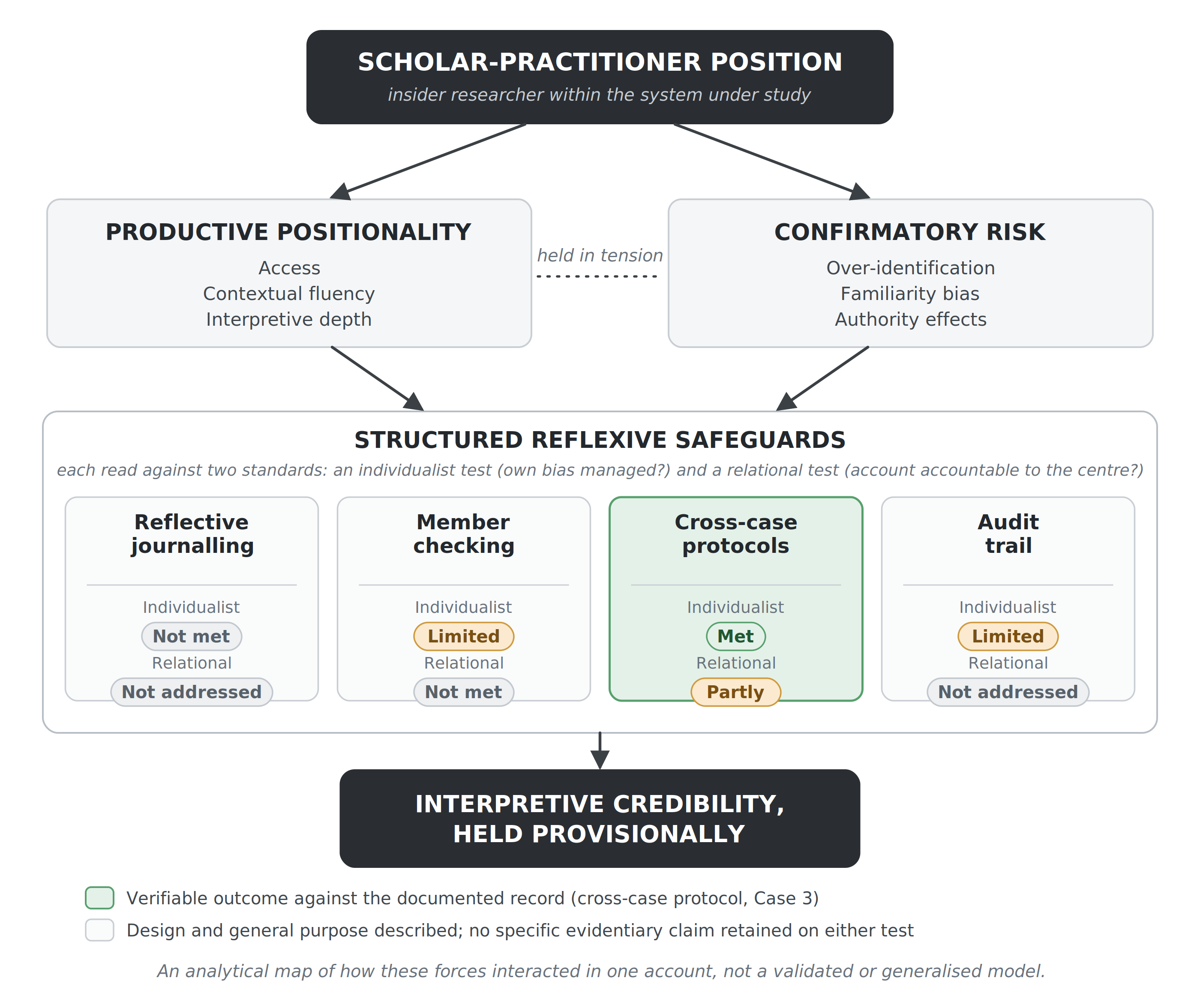
English education in China' s ethnic minority regions faces unique hurdles under the "Sanyu Jiantong" trilingual policy, yet the micro-level dynamics of how social support systems function in these contexts remain underexplored. Integrating Bronfenbrenner' s Bioecological Model with Bourdieu' s Theory of Capital, this qualitative single-case study investigates the support network of Grade 9 students in Mabian Yi Autonomous County. Leveraging the researcher' s "emic" perspective, data were collected through semi-structured interviews with students, parents, and a teacher, alongside extensive classroom and field observations. Our analysis reveals a stark "support imbalance" rooted in socio-economic disparities. Specifically, a dual deficit in familial cultural and economic capital results in a "structural absence" of informational and instrumental support at home. This leaves students in a state of "monopolar dependency", relying almost exclusively on their English teacher for guidance. However, this overburdened teacher, trapped in a structural double bind, adopts pragmatic strategies of "academic triage", leading to a "tacit agreement" of disengagement with struggling students. We conclude that the underperformance in English education in these regions is a complex socio-ecological dysfunction, not merely a pedagogical issue. The study argues that the current model, which asks the teacher to stand as a "lone pillar", is unsustainable. Future interventions must move beyond simple fixes to rebuild the entire support ecosystem, potentially repositioning schools as digital facilitators to bridge the capital gap and empower the marginalized learner.

Articles Article ID: 1947

Challenges in Academic English Writing: Evidence from Kazakhstani EMI University

This small-scale research explores the most challenging aspects of the Academic English Writing course experienced by undergraduate students of the Teaching English as a Foreign Language (TEFL) program within an English-Medium Instruction (EMI) university in Kazakhstan. The study aims to identify the students' difficulties in academic writing and describe key factors contributing to them as well as to develop evidence-based recommendations for improving course design and delivery. Data were collected through a semi-structured questionnaire, which combined multiple-choice and open-ended items addressing students' perceived challenges and underlying causes related to writing structure, coherence, argumentation, and source integration. In addition, the academic writing instructors were interviewed to elicit information on the strategies they used to develop the students' academic literacy. Quantitative data were analyzed using SPSS, version 20, while qualitative responses were examined thematically to capture teachers' perspectives and suggestions for course enhancement. The findings reveal recurrent challenges in critical thinking, academic vocabulary use, and adherence to academic conventions—issues that are often intensified by the EMI context and limited prior exposure to academic discourse in English. Teachers similarly emphasize the need for earlier and extended writing instruction, integration of practical assignments, and adaptive pedagogical approaches to meet EMI students' academic and professional needs. Based on the results, practical recommendations are proposed for writing instructors, curriculum developers, and program coordinators to strengthen academic writing support within EMI-based teacher education programs.

Articles Article ID: 1991

Attitudes of Graduate Students in Speech and Language Therapy toward Individuals with Special Needs

Understanding the attitudes of healthcare professionals and students is crucial for enhancing the quality and accessibility of services provided to individuals with special needs (IWSN). Speech and Language Therapy (SLT) professionals play a central role in the multidisciplinary support of these individuals, making it essential to explore the perspectives of future practitioners. This study investigates the attitudes of graduate SLT students toward IWSN, with the goal of informing educational practices and contributing to professional development. A qualitative research design was adopted, involving semi-structured interviews with 8 graduate-level SLT students enrolled in master’s and doctoral programs. Thematic analysis was conducted using MAXQDA software to identify patterns and insights within the data. The findings revealed that participants generally held positive attitudes toward IWSN, regardless of their level of study. Four overarching themes emerged from the analysis: (a) family relations, (b) academic, social, and public issues, (c) emotional responses of graduate students, and (d) perceived professional needs. Although some students initially expressed hesitation, they reported a shift in attitudes over time, attributing this change largely to experiential learning opportunities. The study highlights the importance of integrating real-life experiences into SLT training programs and promoting broader awareness among students, families, and the wider community to enhance support for IWSN.

Articles Article ID: 2158

Bilingual Pedagogy through Translanguaging: A Pathway to Improved Comprehension in EFL Learning

The present study addressed the efficacy of a translanguaging pedagogy with regard to the English language learners' proficiency and perception in four domains, namely, reading, listening, writing, and speaking. Test-retest difference scores indicated statistically significant improvements in each area, and mean scores changed from 11.69–12.18 to 14.67–15.31 with high t-statistics (20.38–30.9). Qualitative analysis showed four main themes (Cognitive-lists of 50 codes, Interactive-lists of 48 codes, Constructive-lists of 45 codes, Affective-lists of 42 codes), which means that students used L1 strategically to facilitate comprehension, actively took part in cooperative activities, constructed meaning across languages, and felt more confident. These results were supported by the data collected in the surveys: learners gave high ratings to multilingual group work on all the restored variables (understanding M = 4.6, confidence M = 4.4, enjoyment of multilingual group work M = 4.7), and their willingness to recommend the method was 4.5 on average. The consistent positive development in quantitative and qualitative measures would suggest that translanguaging promotes linguistic development, cognitive engagement, social interaction, and affective well-being. Results confirm that using students' first languages in classroom instruction is effective as an equity practice in multilingual classrooms. The research provides empirical data for the translanguaging pedagogical approach as part of skill acquisition and learner agency, with implications for the curriculum design and teacher education in different educational contexts.

Articles Article ID: 1920

Emotion Aware Teaching: Connecting Emotion Recognition for Engaging Language Learning

In recent years, teaching has shifted from focusing only on academic skills to also paying attention to students’ emotions. This approach, known as emotion-aware teaching, aims to improve students’ engagement, confidence, and communication by understanding and responding to their feelings in class. Although many studies have investigated this topic, there are still gaps. These include inconsistent ways of measuring emotions, mixed opinions on how technology affects student motivation, and limited comparisons across different classroom settings. This review examines how emotion recognition supports language learning and how other factors such as multimodal data, perception-based assessments, and personalised feedback can influence students’ engagement. The findings come from various experiments and studies that explore how students feel during lessons. A key contribution of this review is the idea of integrating emotion-aware frameworks into the classroom. This means connecting students’ thinking abilities with their emotional needs so they can become both academically strong and emotionally intelligent. The research uses methods such as experiments, surveys, language data analysis, and cross-case comparisons. The review shows that emotion-based teaching methods can boost student motivation, lower anxiety, and support independent learning. While the findings show clear improvements in student engagement and teacher adaptability, they are limited by short-term studies and new evaluation tools. Future research should look at long-term effects, cultural differences, and practical classroom challenges. In conclusion, emotion-aware teaching helps create a healthier and more supportive environment for language learning by valuing students as emotional individuals, not just learners.

View All Issues