
Review Article
Personalized Neoantigen-Based Cancer Vaccines Have Advanced Rapidly, Though Several Key Challenges Remain
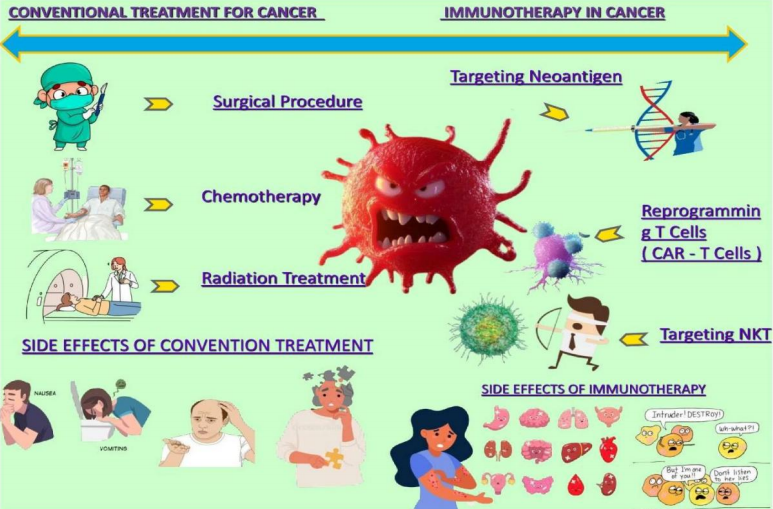
 Download

This work is licensed under a Creative Commons Attribution 4.0 International License.
Copyright
The authors shall retain the copyright of their work but allow the Publisher to publish, copy, distribute, and convey the work.
License
Trends in Immunotherapy (TI) publishes accepted manuscripts under Creative Commons Attribution 4.0 International (CC BY 4.0). Authors who submit their papers for publication by TI agree to have the CC BY 4.0 license applied to their work, and that anyone is allowed to reuse the article or part of it free of charge for any purpose, including commercial use. As long as the author and original source are properly cited, anyone may copy, redistribute, reuse, and transform the content.
Authors
-
Santosh Kumar Chaturvedi
 School of Pharmacy, Sanskriti University, Mathura 281401, India
- Aakash Sharma Hindu College of Pharmacy, Sonipat 131001, India
- Reetu Chauhan School of Pharmacy, Sanskriti University, Mathura 281401, India
- Sinayak Kumar Dubey School of Pharmacy, Sanskriti University, Mathura 281401, India
- Mithlesh School of Pharmacy, Sanskriti University, Mathura 281401, India
-
Shikha Sharma
Department of Pharmaceutical Science, Lords University, Alwar 301028, India
- Payal Bhatnagar Department of Pharmaceutical Technology, School of Pharmacy, IMU University, Kuala Lumpur 57000, Malaysia
Received: 25 January 2026; Revised: 11 March 2026; Accepted: 20 May 2026; Published: 29 May 2026
Neoantigen-based personalized vaccines have emerged as an important innovation in the field of precision oncology through utilizing unique tumor somatic mutations to stimulate a targeted anti-tumor immune response. Unlike common tumor antigens, neoantigens can be recognized by the immune system as foreign because they exist only on tumor cells and thus do not contribute to any autoimmune reactions as a result of central immune tolerance. The emergence of techniques in next-generation sequencing, mutational profiling, and bioinformatics has made it possible to precisely identify neoantigens. In addition, breakthroughs in vaccine technology, such as synthetic long peptides, dendritic cell vaccination, and nucleic acid vaccination, have facilitated its clinical application. Studies have shown that neoantigen-based personalized vaccines are safe and can induce potent T-cell-mediated anti-tumor immune responses, especially when combined with immune checkpoint inhibitors. Randomized trials have indicated their potential in decreasing cancer recurrence. There still remain some limitations in developing personalized neoantigen vaccines due to the problem of tumor heterogeneity, immune evasion, neoantigen prediction, immunosuppression environment in the tumors, and high cost and long manufacturing time for personalized vaccines. This paper provides an overview of current methods and new approaches for neoantigen identification and vaccine development.
Keywords:
Immunotherapies Next‑Generation Antigen mRNA T‑Cell Responses Dendritic Cell‑Based VaccinesReferences
- Mellman, I.; Coukos, G.; Dranoff, G.; et al. Cancer immunotherapy comes of age. Nature 2011, 480, 480–489.
- Sharma, P.; Allison, J.P. The future of immune checkpoint therapy. Science 2015, 348, 56–61.
- Blass, E.; Ott, P.A. Advances in the development of personalized neoantigen-based therapeutic cancer vaccines. Nat. Rev. Clin. Oncol. 2021, 18, 215–229.
- Schumacher, T.N.; Schreiber, R.D. Neoantigens in cancer immunotherapy. Science 2015, 348, 69–74.
- Vogelstein, B.; Papadopoulos, N.; Velculescu, V.E.; et al. Cancer genome landscapes. Science 2013, 339, 1546–1558.
- Guo, Y.; Lei, K.; Tang, L. Neoantigen vaccine delivery for personalized anticancer immunotherapy. Front. Immunol. 2018, 9, 1499.
- Zhang, D.; Lin, Z.; Wu, M.; et al. Cytosolic delivery of thiolated neoantigen nano-vaccine combined with immune checkpoint blockade to boost anti-cancer T cell immunity. Adv. Sci. 2021, 8, 2003504.
- Ghebreyesus, T.A. All roads lead to universal health coverage. Lancet Glob. Health 2017, 5, e839–e840.
- Marty, R.; Kaabinejadian, S.; Rossell, D.; et al. MHC-I genotype restricts the oncogenic mutational landscape. Cell 2017, 171, 1272–1283.
- Turajlic, S.; Litchfield, K.; Xu, H.; et al. Insertion- and deletion-derived tumor-specific neoantigens and the immunogenic phenotype: a pan-cancer analysis. Lancet Oncol. 2017, 18, 1009–1021.
- Yang, W.; Lee, K.W.; Srivastava, R.M.; et al. Immunogenic neoantigens derived from gene fusions stimulate T cell responses. Nat. Med. 2019, 25, 767–775.
- Laumont, C.M.; Vincent, K.; Hesnard, L.; et al. Noncoding regions are the main source of targetable tumor-specific antigens. Sci. Transl. Med. 2018, 10, 470.
- Yarchoan, M.; Johnson, B.A.; Lutz, E.R.; et al. Targeting neoantigens to augment antitumor immunity. Nat. Rev. Cancer 2017, 17, 209–222.
- Luksza, M.; Riaz, N.; Makarov, V.; et al. A neoantigen fitness model predicts tumor response to checkpoint blockade immunotherapy. Nature 2017, 551, 517–520.
- Richters, M.M.; Xia, H.; Campbell, K.M.; et al. Best practices for bioinformatic characterization of neoantigens for clinical utility. Genome Med. 2019, 11.
- Hundal, J.; Carreno, B.M.; Petti, A.A.; et al. pVAC-Seq: A genome-guided in silico approach to identifying tumor neoantigens. Genome Med. 2016, 8, 11.
- Bulik-Sullivan, B.; Busby, J.; Palmer, C.D.; et al. Deep learning using tumor HLA peptide mass spectrometry datasets improves neoantigen identification. Nat. Biotechnol. 2019, 37, 55–63.
- Abelin, J.G.; Keskin, D.B.; Sarkizova, S.; et al. Mass spectrometry profiling of HLA-associated peptidomes in mono-allelic cells enables more accurate epitope prediction. Immunity 2017, 46, 315–326.
- Sahin, U.; Derhovanessian, E.; Miller, M.; et al. Personalized RNA mutanome vaccines mobilize poly-specific therapeutic immunity against cancer. Nature 2017, 547, 222–226.
- Nielsen, M.; Andreatta, M. NetMHCpan-3.0: improved prediction of binding to MHC class I molecules. Bioinformatics 2016, 32, 511–517.
- Samstein, R.M.; Lee, C.H.; Shoushtari, A.N.; et al. Tumor mutational load predicts survival after immunotherapy across multiple cancer types. Nat. Genet. 2019, 51, 202–206.
- Zhang, J.; Mardis, E.R.; Maher, C.A. INTEGRATE-neo: a pipeline for personalized gene fusion neoantigen discovery. Bioinformatics 2017, 33, 555–557.
- Spranger, S.; Gajewski, T.F. Tumor-intrinsic oncogene pathways mediating immune avoidance. Nat. Rev. Immunol. 2018, 18, 139–147.
- Binnewies, M.; Roberts, E.W.; Kersten, K.; et al. Understanding the tumor immune microenvironment (TIME) for effective therapy. Nat. Med. 2018, 24, 541–550.
- McGranahan, N.; Furness, A.J.S.; Rosenthal, R.; et al. Clonal neoantigens elicit T cell immunoreactivity and sensitivity to immune checkpoint blockade. Science 2016, 351, 1463–1469.
- Rosenthal, R.; Cadieux, E.L.; Salgado, R.; et al. Neoantigen-directed immune escape in lung cancer evolution. Nature 2019, 567, 479–485.
- Carreno, B.M.; Magrini, V.; Becker-Hapak, M.; et al. A dendritic cell vaccine increases the breadth and diversity of melanoma neoantigen-specific T cells. Science 2015, 348, 803–808.
- Roth, G.A.; Picece, V.C.T.M.; Ou, B.S.; et al. Designing spatial and temporal control of vaccine responses. Nat. Rev. Mater. 2022, 7, 174–195.
- Hilf, N.; Kuttruff-Coqui, S.; Frenzel, K.; et al. Actively personalized vaccination trial for newly diagnosed glioblastoma. Nature 2019, 565, 240–245.
- Keskin, D.B.; Anandappa, A.J.; Sun, J.; et al. Neoantigen vaccine generates intratumoral T cell responses in phase Ib glioblastoma trial. Nature 2019, 565, 234–239.
- Kesselheim, A.S.; Avorn, J. Approving a problematic muscular dystrophy drug: implications for FDA policy. JAMA 2016, 316, 2357–2358.
- Prasad, V.; De Jesús, K.; Mailankody, S. The high price of anticancer drugs: origins, implications, barriers, solutions. Nat. Rev. Clin. Oncol. 2017, 14, 381–390.
- Czerkinsky, C.C.; Nilsson, L.A.; Nygren, H.; et al. A solid-phase enzyme-linked immunospot (ELISPOT) assay for enumeration of specific antibody-secreting cells. J. Immunol. Methods 1983, 65, 109–121.
- Gros, A.; Robbins, P.F.; Yao, X.; et al. PD-1 identifies the patient-specific CD8⁺ tumor-reactive repertoire infiltrating human tumors. J. Clin. Invest. 2014, 124, 2246–2259.
- Bentzen, A.K.; Hadrup, S.R. Evolution of MHC-based technologies used for detection of antigen-responsive T cells. Cancer Immunol. Immunother. 2017, 66, 657–666.
- Ayers, M.; Lunceford, J.; Nebozhyn, M.; et al. IFN-γ-related mRNA profile predicts clinical response to PD-1 blockade. J. Clin. Invest. 2017, 127.
- Weber, J.S.; Carlino, M.S.; Khattak, A.; et al. Individualized neoantigen therapy mRNA-4157 (V940) plus pembrolizumab versus pembrolizumab monotherapy in resected melanoma (KEYNOTE-942): a randomized, phase 2b study. Lancet 2024, 403, 632–644.
- Aldous, A.R.; Dong, J.Z. Personalized neoantigen vaccines: A new approach to cancer immunotherapy. Bioorg. Med. Chem. 2018, 26, 2842–2849. DOI: https://doi.org/10.1016/j.bmc.2017.10.021
- Ge, J.; Yin, X.; Chen, L. Regulatory T cells: masterminds of immune equilibrium and future therapeutic innovations. Front. Immunol. 2024, 15, 1457189.
- Sahin, U.; Oehm, P.; Derhovanessian, E.; et al. An RNA vaccine drives immunity in checkpoint-inhibitor-treated melanoma. Nature 2020, 585, 107–112.
- Rojas, L.A.; Sethna, Z.; Soares, K.C.; et al. Personalized RNA neoantigen vaccines stimulate T cells in pancreatic cancer. Nature 2023, 618, 144–150.
- Reynisson, B.; Alvarez, B.; Paul, S.; et al. NetMHCpan-4.1 and NetMHCIIpan-4.0: improved predictions of MHC antigen presentation by concurrent motif deconvolution and integration of MS MHC eluted ligand data. Nucleic Acids Res. 2020, 48, 449–454.
- Bjerregaard, A.M.; Nielsen, M.; Hadrup, S.R.; et al. MuPeXI: prediction of neo-epitopes from tumor sequencing data. Cancer Immunol. Immunother. 2017, 66, 1123–1130.
- Joyce, J.A.; Fearon, D.T. T cell exclusion, immune privilege, and the tumor microenvironment. Science 2015, 348, 74–80.
- Ghorani, E.; Rosenthal, R.; McGranahan, N.; et al. Differential binding affinity of mutated peptides for MHC class I is a predictor of survival in advanced lung cancer and melanoma. Ann. Oncol. 2018, 29, 271–279.
- Lopes, A.; Vandermeulen, G.; Préat, V. Cancer DNA vaccines: current preclinical and clinical developments and future perspectives. J. Exp. Clin. Cancer Res. 2019, 38, 146.
- Jurtz, V.; Paul, S.; Andreatta, M.; et al. NetMHCpan-4.0: improved peptide–MHC class I interaction predictions integrating eluted ligand and peptide binding affinity data. J. Immunol. 2017, 199, 3360–3368.
- Corrales, L.; Glickman, L.H.; McWhirter, S.M.; et al. Direct activation of STING in the tumor microenvironment leads to potent and systemic tumor regression and immunity. Cell Rep. 2015, 11, 1018–1030.
- Lang, F.; Schrörs, B.; Löwer, M.; et al. Identification of neoantigens for individualized therapeutic cancer vaccines. Nat. Rev. Drug Discov. 2022, 21, 261–282.
- Liu, Z.; Lv, J.; Dang, Q.; et al. Engineering neoantigen vaccines to improve cancer personalized immunotherapy. Int. J. Biol. Sci. 2022, 18, 5607–5623. DOI: https://doi.org/10.7150/ijbs.76281
- Chong, C.; Müller, M.; Pak, H.; et al. Integrated proteogenomic deep sequencing and analytics accurately identify non-canonical peptides in tumor immunopeptidomes. Nat. Biotechnol. 2020, 38, 725–734.
- Barouch, D.H.; Stephenson, K.E.; Borducchi, E.N.; et al. Protective efficacy of a global HIV-1 mosaic vaccine against heterologous SHIV challenges in rhesus monkeys. Cell 2013, 155, 531–539.
- Togashi, Y.; Shitara, K.; Nishikawa, H. Regulatory T cells in cancer immunotherapy. Nat. Rev. Immunol. 2023, 23, 85–97.
- Le, D.T.; Durham, J.N.; Smith, K.N.; et al. Mismatch repair deficiency predicts response of solid tumors to PD-1 blockade. Science 2017, 357, 409–413.
- Topalian, S.L.; Hodi, F.S.; Brahmer, J.R.; et al. Safety, activity, and immune correlates of anti–PD-1 antibody in cancer. N. Engl. J. Med. 2012, 366, 2443–2454.
- Ott, P.A. The promises and challenges of neoantigen cancer vaccines. Nat. Biotechnol. 2026, 44, 740–751.
- Wu, A.C.; Nakamura, Y.; Kiyotani, K. Advances in neoantigen-based cancer vaccines. Cancers 2025, 18, 144.
- Braun, D.A.; Moranzoni, G.; Chea, V.; et al. A neoantigen vaccine generates antitumour immunity in renal cell carcinoma. Nature 2025, 639, 474–482.
- Sethna, Z.; Guasp, P.; Reiche, C.; et al. RNA neoantigen vaccines prime long-lived CD8+ T cells in pancreatic cancer. Nature 2025, 639, 1042–1051.
- Wang, C.; Shi, Y.; Zhang, D.; et al. Generalization of neoantigen-based tumor vaccine by delivering peptide-MHC complex via oncolytic virus. EMBO Mol. Med. 2025, 17, 1118–1152.
- Meng, W.; Schreiber, R.D.; Lichti, C.F. Recent advances in immunopeptidomic-based tumor neoantigen discovery. Adv. Immunol. 2023, 160, 1–36. DOI: https://doi.org/10.1016/bs.ai.2023.10.001
- Vlachostergios, P.J. Cancer vaccines: advances, hurdles, and future directions. Explor. Target. Antitumor Ther. 2025, 6, 1002350. DOI: https://doi.org/10.37349/etat.2025.1002350
- Li, T.; Li, Y.; Zhu, X.; et al. Artificial intelligence in cancer immunotherapy: applications in neoantigen recognition, antibody design and immunotherapy response prediction. Semin. Cancer Biol. 2023, 91, 50–69. DOI: https://doi.org/10.1016/j.semcancer.2023.02.007
- Rappaport, A.R.; Kyi, C.; Lane, M.; et al. A shared neoantigen vaccine combined with immune checkpoint blockade for metastatic solid tumors: phase 1 trial interim results. Nat. Med. 2024, 30, 1013–1022.
- Zhang, X.; Goedegebuure, S.P.; Chen, M.Y.; et al. Neoantigen DNA vaccines are safe and induce immune responses in triple-negative breast cancer patients. Genome Med. 2024, 16, 131.
- Peres, N.; Lepski, G.A.; Fogolin, C.S.; et al. Profiling of tumor-infiltrating immune cells and their impact on survival in glioblastoma patients undergoing immunotherapy with dendritic cells. Int. J. Mol. Sci. 2024, 25, 5275. DOI: https://doi.org/10.3390/ijms25105275
- Supabphol, S.; Li, L.; Goedegebuure, S.P.; et al. Neoantigen vaccine platforms in clinical development: understanding the future of personalized immunotherapy. Expert Opin. Investig. Drugs. 2021, 30, 529–541. DOI: https://doi.org/10.1080/13543784.2021.1896702
- Zou, W.; Wolchok, J.D.; Chen, L. PD-L1 (B7-H1) and PD-1 pathway blockade for cancer therapy: mechanisms, response biomarkers and combinations. Sci. Transl. Med. 2016, 8, 328. DOI: https://doi.org/10.1126/scitranslmed.aad7118
- Patel, S.P.; Kurzrock, R. PD-1 pathway blockade in cancer therapy: emerging strategies and combinations. Nat. Rev. Clin. Oncol. 2024, 21, 75–89.
- Linnemann, C.; van Buuren, M.M.; Bies, L.; et al. High-throughput epitope discovery reveals frequent recognition of neo-antigens by CD4⁺ T cells in human melanoma. Nat. Med. 2015, 21, 81–85.
- Chen, B.; Khodadoust, M.S.; Liu, C.L.; et al. Profiling tumor-infiltrating immune cells with emerging technologies. Nat. Med. 2024, 30, 145–158.
- Li, X.; Zhang, Y.; Chen, L. Advances in personalized cancer vaccines and neoantigen targeting strategies. Signal Transduct. Target. Ther. 2024, 9, 210.
- Wang, K.; Shao, J.; Xin, K.; et al. Circulating PD-1+ effector memory T cells predict anti-PD-1 efficacy in advanced gastric cancer. Front. Immunol. 2025, 16, 1720724.
- Aboud, N.; Saghafinia, S.; Hegde, M. Deep learning approaches for TCR–neoantigen interaction prediction. Bioinformatics 2025, 41, btad789.
- Pardi, N.; Hogan, M.J.; Porter, F.W.; et al. mRNA vaccines—A new era in vaccinology. Nat. Rev. Drug Discov. 2018, 17, 261–279.
- Jackson, N.A.C.; Kester, K.E.; Casimiro, D.; et al. The promise of mRNA vaccines: A biotech and industrial perspective. NPJ Vaccines 2020, 5, 11.
- Verbeke, R.; Lentacker, I.; De Smedt, S.C.; et al. The dawn of mRNA vaccines: The COVID-19 case. J. Control. Release 2021, 333, 511–520.
- Miao, L.; Zhang, Y.; Huang, L. mRNA vaccine for cancer immunotherapy. Mol. Cancer 2021, 20, 41.
- Barbier, A.J.; Jiang, A.Y.; Zhang, P.; et al. The clinical progress of mRNA vaccines and immunotherapies. Nat. Biotechnol. 2022, 40, 840–854.
- Li, L.; Petrovsky, N. Molecular mechanisms for enhanced DNA vaccine immunogenicity. Expert Rev. Vaccines 2016, 15, 313–329.
- Han, J.; Wang, H. Cytokine-overexpressing dendritic cells for cancer immunotherapy. Exp. Mol. Med. 2024, 56, 2559–2568.
- Guha, P.; Heatherton, K.R.; O'Connell, K.P.; et al. Assessing the future of solid tumor immunotherapy. Biomedicines 2022, 10, 655.
- Riley, R.S.; June, C.H.; Langer, R.; et al. Delivery technologies for cancer immunotherapy. Nat. Rev. Drug Discov. 2019, 18, 175–196.
- Islam, M.A.; Rice, J.; Reesor, E.; et al. Adjuvant-pulsed mRNA vaccine nanoparticle for immunoprophylactic and therapeutic tumor suppression in mice. Biomaterials 2021, 266, 120431.
- Irvine, D.J.; Aung, A.; Silva, M. Controlling timing and location in vaccines. Adv. Drug Deliv. Rev. 2020, 158, 91–115.
- Russell, S.J.; Peng, K.W.; Bell, J.C. Oncolytic virotherapy. Nat. Biotechnol. 2012, 30, 658–670.
- Singhal, K.; Schmidt, E.; Kiwala, S.; et al. ImmunoNX: a bioinformatics workflow for personalized neoantigen vaccine trials. ArXiv preprint 2025, arXiv:2512.08226v1.
- Anilkumar, A.S.; Joseph, R.; Thomas, S. Non-canonical and cryptic neoantigens in cancer immunotherapy. Explor. Target. Antitumor Ther. 2025, 6, 338–352.
- Katsikis, P.D.; Ishii, K.J.; Schliehe, C. Challenges in developing personalized neoantigen cancer vaccines. Nat. Rev. Immunol. 2024, 24, 213–227.
- Zeng, S.; Liu, Y.; Wang, X. Tumor evolution and neoantigen dynamics in cancer immunotherapy. Front. Cell Dev. Biol. 2025, 13, 1733549.
- Dwivedi, R.; Mehrotra, D.; Chandra, S.; et al. A systematic review of potential immunotherapies targeting PRAME in retinoid-resistant oral potentially malignant disorders and oral cancer. Curr. Mol. Med. 2022, 22, 735–746. DOI: https://doi.org/10.2174/1566524021666211027091719
- Cafri, G.; Gartner, J.J.; Zaks, T.; et al. mRNA vaccine-induced neoantigen-specific T cell immunity in patients with gastrointestinal cancer. J. Clin. Invest. 2020, 130, 5976–5988.
- Le, D.T.; Picozzi, V.J.; Ko, A.H.; et al. Results from a phase IIb, randomized, multicenter study of GVAX pancreas and CRS-207 compared with chemotherapy in adults with previously treated metastatic pancreatic adenocarcinoma (ECLIPSE study). J. Clin. Oncol. 2019, 37, 345.
- Wu, D.W.; Jia, S.P.; Xing, S.J.; et al. Personalized neoantigen cancer vaccines: current progression, challenges and a bright future. Mol. Biol. Rep. 2024, 51, 229.
- Christensen, K.D.; Dukhovny, D.; Siebert, U.; et al. Assessing the Costs and Cost-Effectiveness of Genomic Sequencing. J. Pers. Med. 2015, 5, 470–486.
- Chi, W.Y.; Hu, Y.; Huang, H.C.; et al. Molecular targets and strategies in the development of nucleic acid cancer vaccines: from shared to personalized antigens. J. Biomed. Sci. 2024, 31, 94.
- Xu, Y.; Wang, T.; Liang, X.; et al. Global research trends and focus on immunotherapy for endometrial cancer: a comprehensive bibliometric insight and visualization analysis (2012–2024). Front. Immunol. 2025, 16, 1571800.
- Zhang, L.; Zheng, H.; Jiang, S.T.; et al. Worldwide research trends on tumor burden and immunotherapy: a bibliometric analysis. Int. J. Surg. 2024, 110, 1699–1710.
- Kamigaki, T.; Takimoto, R.; Okada, S.; et al. Personalized dendritic-cell-based vaccines targeting cancer neoantigens. Anticancer Res. 2024, 44, 3713–3724. DOI: https://doi.org/10.21873/anticanres.17196
- Pounraj, S.; Chen, S.; Ma, L.; et al. Targeting tumor heterogeneity with neoantigen-based cancer vaccines. Cancer Res. 2024, 84, 353–363.
- Subbarayan, R.; Srinivasan, D.; Balakrishnan, R.; et al. DNA damage response and neoantigens: a favorable target for triple-negative breast cancer immunotherapy and vaccine development. Int. Rev. Cell Mol. Biol. 2024, 389, 104–152.
- Biswas, N.; Chakrabarti, S.; Padul, V.; et al. Designing neoantigen cancer vaccines, trials, and outcomes. Front. Immunol. 2023, 14, 1105420.
- Singhaviranon, S.; Dempsey, J.P.; Hagymasi, A.T.; et al. Low-avidity T cells drive endogenous tumor immunity in mice and humans. Nat. Immunol. 2025, 26, 240–251.
- Alam, M.R.; Akinyemi, A.O.; Wang, J.; et al. CD4+CD8+ doublepositive T cells in immune disorders and cancer: Prospects and hurdles in immunotherapy. Autoimmun. Rev. 2025, 24, 103757.
- Montauti, E.; Oh, D.Y.; Fong, L. CD4+ T cells in antitumor immunity. Trends Cancer 2024, 10, 969–985.
- Huang, W.-Q.; You, W.; Zhu, Y.-Q.; et al. Autophagosomes coated in situ with nanodots act as personalized cancer vaccines. Nat. Nanotechnol. 2025, 20, 451–462.
- Kerr, M.D.; McBride, D.A.; Chumber, A.K.; et al. Combining therapeutic vaccines with chemo- and immunotherapies in the treatment of cancer. Expert Opin. Drug Discov. 2021, 16, 89–99.
- Chen, H.; Li, Z.; Qiu, L.; et al. Personalized neoantigen vaccine combined with PD-1 blockade increases CD8+ tissue-resident memory T-cell infiltration in preclinical hepatocellular carcinoma models. J. Immunother. Cancer 2022, 10, e004389.
- Castro Eiro, M.D.; Hioki, K.; Li, L.; et al. TLR9 plus STING agonist adjuvant combination induces potent neopeptide T cell immunity and improves immune checkpoint blockade efficacy in a tumor model. J. Immunol. 2024, 212, 455–465.
- Ott, P.A.; Hu, Z.; Keskin, D.B.; et al. An immunogenic personal neoantigen vaccine for patients with melanoma. Nature 2017, 547, 217–221.