Editorial review on Vol. 7 No. 1
...
The phrase “3D printing” is frequently used to illustrate a fabrication technique that constructs objects by sequentially adding layers. Additive manufacturing, commonly referred to as rapid prototyping or “solid free-form technology”, is a name that more appropriately reflects this method. As a result of the advancement of this technology, 3D objects are converted into 3D photos that are then ...
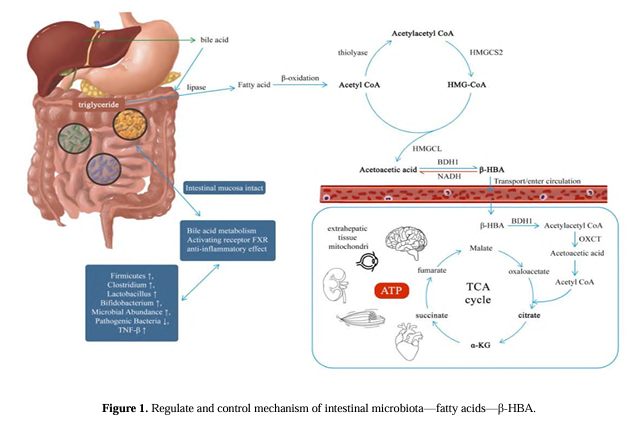
β-hydroxybutyric acid (β-HBA) is a water soluble small molecule and the main component of ketone body. Upon facing energy shortage, free fatty acids in liver are oxidized and decomposed in mitochondria to produce β-HBA. β-HBA is a carbon source providing energy for extrahepatic tissues such as brain, heart, and skeletal muscles. Intestinal flora is the key component of regulating the host lipid...
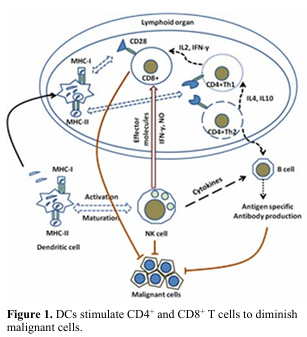
Dendritic cells (DCs) are potent antigen presenting cells that play a crucial role in stimulating T cell responses against cancer. DC vaccines have been utilized as an immunotherapy approach for cancer treatment, but their effectiveness is hampered by challenges in the tumor microenvironment. Graphene oxide (GO), a cutting-edge carbon-based nanomaterial, has shown promise in modulating DC activ...
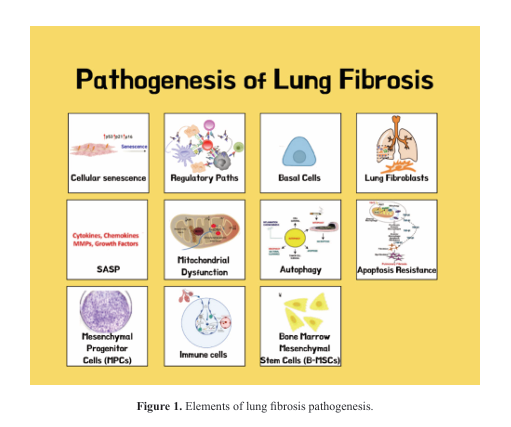
Pulmonary fibrosis is a diverse group of lung disorders defined by varying degrees of fibrosis and inflammation in the pulmonary parenchyma. While it may be caused by a known disease, e.g., autoimmune or connective tissue disorder, drugs, hypersensitivity to inhaled organic antigens, or sarcoidosis, it also occurs to be idiopathic. When we examine the pathogenesis of lung fibrosis, we see that ...
We investigated the association of anticardiolipin antibodies (aCL) with epilepsy development and characteristics in children. This prospective case-control study included 40 epileptic children and 40 sex- and age-matched controls. Epileptic children had higher levels of aCL compared to healthy controls (5.66 ± 5.41 versus 2.37 ± 2.28; p value = 0.001). The novel finding of elevated levels of a...
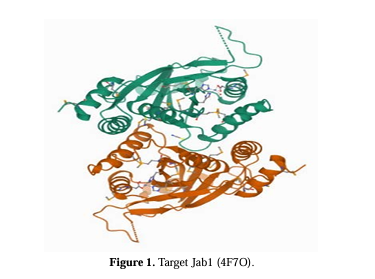
Jab1 (c-Jun activation domain-binding protein-1) overexpression has been extensively linked to cancer development (or metastasis) in various malignancies by positively regulating cancer cell proliferation or inactivating several tumor suppressors. Recent research has focused on utilizing plant products to target crucial elements of dysregulated signaling pathways to elucidate a potent cancer th...
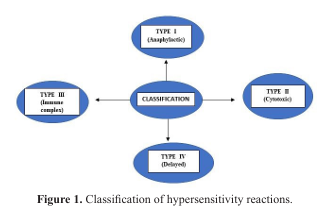
Allergen-specific immunotherapy (AIT) is an allergen-specific treatment for people with IgE-related allergies. Allergen-specific immunotherapy (AIT) is used to treat allergic disorders when symptoms persist despite medication and allergen avoidance. The therapy is presumed effective if it reduces the use of medications, improves the quality of life even after discontinuation of treatment, as we...
Conjunctivitis, also known as pink eye, is a conjunctival inflammation. It is brought on by bacteria, viruses, toxins, and allergies, including coronaviruses, the most frequent reason being allergic conjunctivitis (AC), which is brought on by exposure to pollutants like pollen, animal hair, or mold. The primary contributor to it is the linkage of immunoglobulin E caused by allergens and recepto...
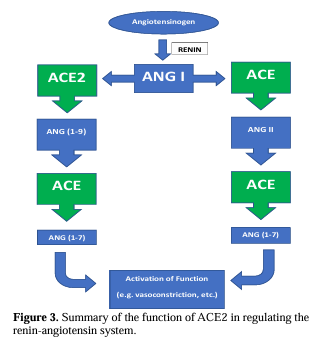
The angiotensin-converting enzyme 2 (ACE2) receptor gained prominence in 2020, having been identified as a prime receptor for entry of the novel coronavirus COVID-19, which has led to the current global pandemic. Many stud-ies have reported that lung cancer patients have a higher risk of contracting COVID-19 due to the up-regulated expres-sion of ACE2 in lung cancer cells. Lung cancer is a hete...