Creative Therapeutic(ct)

Creative Therapeutic

Latest Issue
Volume 1, Issue 1
June 2025
Access: Full Open access

Creative Therapeutic is dedicated to promoting the understanding and application of creative arts therapy in enhancing mental health, emotional, and physical well-being. The mission of the journal: To advance the innovative development of creative arts therapy through high-quality research and practice; to provide a platform for interdisciplinary dialogue and collaboration for researchers, practitioners, and educators; to increase the recognition and integration of creative arts therapy in medical and educational settings.

  • E-ISSN: 3050-0397
  • Frequency: Semiyearly
  • Language: English
  • E-mail: ct@ukscip.com

Submit Manuscript

Latest Published Articles

Research Article Article ID: 1317

Creative Activities in the Terezín Ghetto: A Case of Boys from Heim L417

This study focuses on the exceptional cultural and mental activities of boys interned in the Terezín ghetto during World War II, specifically through their secret magazine Vedem. Created within the L417 home, the magazine served as a space for literary, artistic, and philosophical self-reflection. Through poems, fairy tales, essays, and drawings, the young authors expressed their longing for freedom, the loss of home, reflections on the meaning of human existence, as well as depictions of everyday life in the ghetto - often infused with irony and humor. The study demonstrates that these creative activities had fundamental therapeutic, existential, and community-cultural value: they helped the boys preserve their human dignity, reinforced their identities, and allowed them to escape into the world of imagination. At the same time, Vedem functioned as a form of spiritual resistance to Nazi oppression and dehumanization. The magazine thus becomes more than just a historical document - it stands as proof that even under the extreme conditions of genocide, children are capable of creative expression, critical thought, and resistance through language and culture. Moreover, the study highlights the universal significance of children´s creativity in extreme historical situations, where cultural production becomes a means of survival, solidarity, and humanity.

Research Article Article ID: 1578

The Hero’s Journey as a Framework for Cultivating Resilience among Arts Educators in Turbulent Times

This essay explores how the hero’s journey framework can foster resilience among arts educators and students facing political, social, and institutional challenges. Through autobiographical reflections and contextual analysis, it demonstrates how arts-based practices—such as storytelling, poetry, and bibliotherapy—serve as acts of resistance and sources of strength amid funding cuts, censorship, and policies restricting arts and social justice education. Personal vignettes, including visits to schools and encounters with bans on social justice literature, illustrate storytelling as an act of defiance and resilience. Drawing on literature in resilience, narrative psychology, and arts integration, the essay emphasizes that embracing the hero’s journey nurtures hope, agency, and collective resilience. It highlights how arts practices can transform trauma into resilience, empower marginalized voices, and sustain cultural resistance in turbulent times. The critique of traditional hero narratives reveals how they often reinforce gender, racial, and class stereotypes, underscoring the need for more inclusive, culturally responsive frameworks. Applying the hero’s journey as a pedagogical tool helps educators reframe challenges as transformative stages in their own hero’s narrative, fostering perseverance and collective empowerment. Ultimately, storytelling and arts engagement are vital tools for navigating adversity, inspiring activism, and maintaining cultural resilience in the face of ongoing turbulence.

Research Article Article ID: 1328

The Alchemy of Words: How Poetry Heals the Mind and Soul
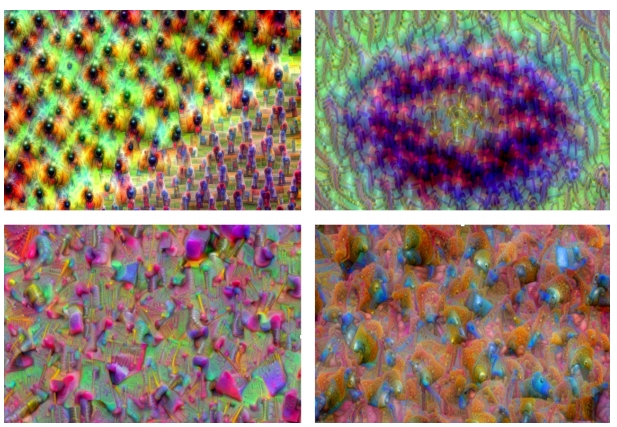
Poetry is not only an attractive and illusional bunch of words, it is an effective power that can heal broken hearts, sooth despairing souls, bring smile on a gloomy face and ignite flame of emotion that can lead to conversion of one’s dream into practical reality. This article explores the transformative power of poetry as a form of healing, blending ancient wisdom with modern scientific insights. Rooted in historical traditions, poetry has long been recognized as a therapeutic tool, capable of mending the heart and soul. Through a deep dive into both the science of poetry and its emotional alchemy, the article highlights how poetry rewires the brain, stimulates emotional processing, and fosters healing. By examining poetic techniques such as metaphor, rhythm, and imagery, we reveal how poetry creates emotional resonance and activates neural pathways that promote psychological well-being. Additionally, the article explores contemporary developments in poetic medicine, such as AI-driven poetry therapy, EEG studies on poetic trance states, and the rise of global movements like poetry pharmacies and community healing workshops. As a result, this article advocates for the continued integration of poetry into therapeutic practices, showing its potential to transform lives and enhance mental health in both individual and collective settings.

Review Article Article ID: 1712

Scientific Evidence Supporting Narrative Therapy and Therapeutic Writing in Treating Diseases—A Literature Review about Online Support Groups

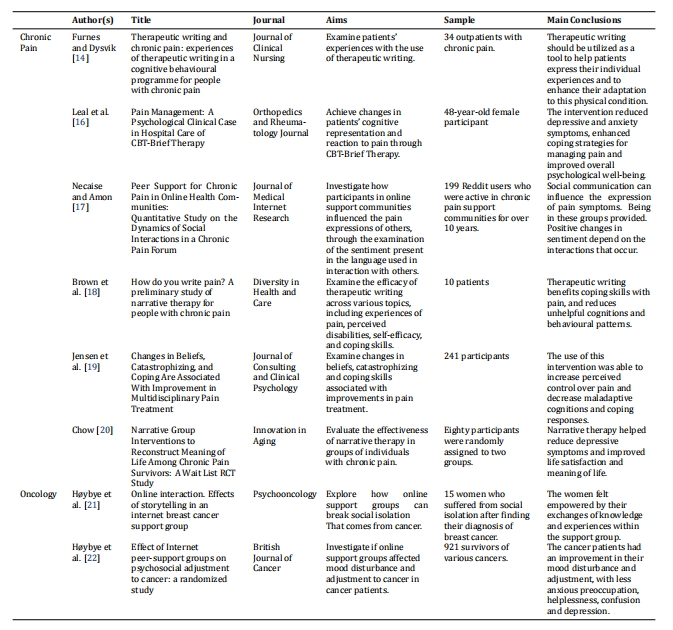
Illness of any kind entails a range of physical, cognitive, and, most notably, emotional consequences, which may lead to experiences of fear, pain, and social isolation. Narrative therapy and therapeutic writing, particularly when implemented in groups of individuals sharing similar conditions and facilitated through online platforms, offer valuable opportunities for sharing experiences and providing mutual support. This study aims to present an innovative perspective on the significance of online communities for patients and social support groups, emphasizing their potential to facilitate connections among individuals facing similar circumstances and to promote a sense of belonging, emotional support, and enhanced psychological well-being. A comprehensive literature review was conducted to identify and analyze scientific evidence on the effectiveness of narrative therapy and therapeutic writing in managing different health conditions. Searches were performed in databases such as PubMed, Scopus, PsycINFO, and Web of Science. The focus was on empirical research assessing psychological or physiological outcomes of narrative-based interventions. Relevant data were extracted and qualitatively synthesized through a integrative analysis to identify key findings, theoretical trends, and research gaps. The application of narrative therapy within online social support groups yielded positive outcomes, contributing to the alleviation of symptoms and improvement in emotional well-being among individuals affected by diverse health conditions. The integration of narrative therapy and therapeutic writing into online social support settings enables individuals to articulate their emotions, fears, and uncertainties in a supportive environment. This process cultivates a sense of community and belonging, thereby fostering emotional resilience and overall psychological well-being.

View All Issues