
Emerging Immune Biomarkers in Cancer Immunotherapy and Precision Oncology
Submission Deadline: 01 September 2027
Chief Guest Editor:
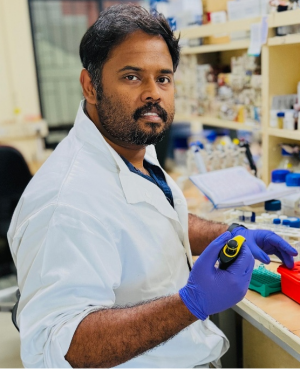 Dr. Siddarth Raajasekar
Assistant Professor (Research) / Principal Investigator, Department of Biotechnology, KIT – Kalaignarkarunanidhi Institute of Technology, Coimbatore, Tamil Nadu, India
Research Interests:Clinical & Translational Immunology, Vascular & Cardiovascular Inflammation, Neuroinflammation & Neurodegenerative Diseases, Biomarkers & Precision Medicine, Oxidative Stress & Redox Biology, Macrophage Biology & Immune Dysregulation, Clinical Biochemistry & HPLC Biomarker Analysis, Immunotherapy & Translational Therapeutics
Special Issue Information:
Dear Colleagues,
Cancer immunotherapy has achieved remarkable advances across a broad range of haematological and solid tumours; however, durable clinical responses remain limited to a subset of patients. This heterogeneity highlights the urgent need for predictive, prognostic, and pharmacodynamic biomarkers to guide patient selection, monitor therapeutic efficacy, predict immune-related adverse events (irAEs), and support adaptive treatment strategies.
Beyond immune checkpoint blockade, emerging immunotherapeutic approaches, including CAR-T cell therapy, TCR-engineered T-cell therapy, NK-cell therapies, dendritic-cell vaccines, cancer vaccines, bispecific antibodies, and other adoptive cellular therapies, have expanded the field while introducing new challenges in biomarker discovery and validation. This Special Issue welcomes contributions addressing biomarker research across diverse immunotherapy modalities, including predictive biomarkers of response and resistance, patient stratification, companion diagnostics, irAE biomarkers, real-time immune monitoring, multicentre validation studies, precision immunotherapy, and translational oncology.
Established biological mechanisms involving oxidative stress, redox regulation, macrophage activation, inflammation, and immunometabolism are also encouraged, particularly where they relate to the tumour microenvironment (TME), immune cell function, or therapeutic outcomes. Contributions exploring neuroinflammation, systemic inflammation, metabolic reprogramming, and immune dysregulation in cancer and immunotherapy are especially welcomed.
Technological advances, including single-cell sequencing, spatial transcriptomics, digital pathology, multi-omics analysis, and artificial intelligence-assisted biomarker discovery, are enabling high-resolution immune profiling and the development of integrated biomarker signatures. At the same time, robust analytical approaches such as HPLC-based quantification of immune mediators and redox metabolites remain essential for clinical validation.
Despite rapid progress, challenges remain in biomarker standardisation, assay harmonisation, multicentre reproducibility, regulatory approval, and clinical implementation. This Special Issue particularly encourages studies addressing these translational barriers through prospective cohorts, independent validation datasets, real-world clinical data, and innovative analytical frameworks.
The Special Issue welcomes Original Research Articles, Reviews, Meta-analyses, Clinical Studies, Experimental Immunology studies, Computational Biology research, and Translational Medicine contributions. Studies involving biomarker discovery, immune profiling, machine learning-based prediction models, multi-omics integration, and biomarker-guided therapeutic strategies in oncology, autoimmunity, and inflammatory diseases are highly encouraged.
This Special Issue aims to bring together researchers, clinicians, and translational scientists to advance the understanding and clinical application of immune biomarkers, ultimately promoting precision immunotherapy and personalised medicine.
Guest Editor
Dr. Siddarth Raajasekar
Keywords:
- Cancer Immunotherapy
- Immune Biomarkers
- Precision Oncology
- Precision Medicine
- Checkpoint Inhibitors
- CAR-T Cell Therapy
- Tumor Microenvironment
- Predictive Biomarkers
- Companion Diagnostics
- Single-cell RNA Sequencing
- Multiomics
- Artificial Intelligence