
Ecological Psychology and Human Behavior

Latest Issue
Volume 1, Issue 1
December 2025
Access: Full Open access

Ecological Psychology and Human Behavior is an international, peer-reviewed, open access journal that explores the dynamic interactions between individuals and their physical, social, and cultural environments. Grounded in ecological and systems-based perspectives, the journal provides a platform for interdisciplinary research that examines perception, cognition, action, and behavior as situated, embodied, and environmentally embedded phenomena.

  • E-ISSN: 2755-6255
  • Frequency: Quarterly
  • Language: English
  • E-mail: ephb@ukscip.com

Submit Manuscript

Latest Published Articles

Review Article ID: 2289

The Influence of Outdoor Recreational Activities on Cognitive Functions in Children with Attention Deficit Hyperactivity Disorder (ADHD)

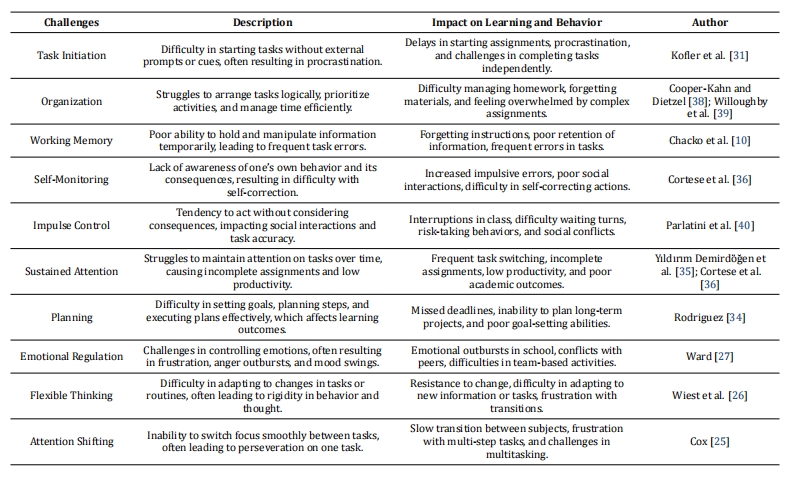
This paper examines the influence of outdoor recreational activities on cognitive functions in children with Attention Deficit Hyperactivity Disorder (ADHD). Utilizing an integrative narrative review design anchored in the Biopsychosocial Model, the study synthesizes diverse evidence ranging from experimental trials to educational case studies to categorize nature’s benefits into biological, psychological, and social domains. The methodology involved an extensive digital search across major databases (2014–2024), employing Attention Restoration Theory and Stress Recovery Theory to interpret the cognitive and autonomic impacts of natural environments. Key findings reveal that outdoor engagement significantly enhances sustained attention, reduces impulsivity, and bolsters executive functions such as planning and organization. Nature-based activities are found to lower physiological stress markers, specifically cortisol levels, thereby stabilizing emotional regulation and creating a feedback loop that supports higher-order cognitive performance. Furthermore, physical movement in natural settings increases cerebral blood flow and neurotrophic factor release, which directly improves memory and cognitive flexibility. Based on these results, the paper recommends that schools integrate structured nature-based programs into daily curricula to improve student focus and retention. Policymakers are urged to establish mandates for outdoor playtime and invest in safe, accessible green spaces, particularly in urban areas. Ultimately, a collaborative approach among educators, clinicians, and parents is advocated to promote outdoor recreation as a viable, data-informed, non-pharmacological intervention for pediatric ADHD. 

View All Issues