Home » Digital Humanities and Society Studies

2025 Vol.1 No.1

Decoding Gendered Symbolism and Motifs in Penina Muhando’s Nguzo Mama: A Computational Literary Analysis
10 (Views) 10 (Downloads)

Decoding Gendered Symbolism and Motifs in Penina Muhando’s Nguzo Mama: A Computational Literary Analysis

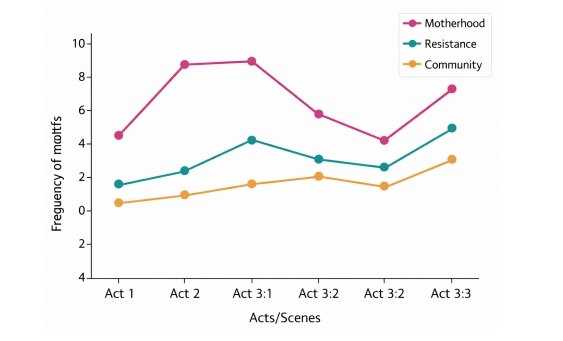
This study offers a computational examination of gendered symbolism and recurring motifs in Penina Muhando’s Nguzo Mama, demonstrating how digital methods can deepen traditional literary interpretation. Employing natural language processing (NLP), topic modeling, and sentiment analysis, the research analyzes patterns of gendered language, thematic structures, and character interactions...
View pdf Read more →
AI-Assisted Café Reading for EFL Learners: Comfort, Engagement, and Usability in an Eight-Week Pilot
5 (Views) 4 (Downloads)

AI-Assisted Café Reading for EFL Learners: Comfort, Engagement, and Usability in an Eight-Week Pilot

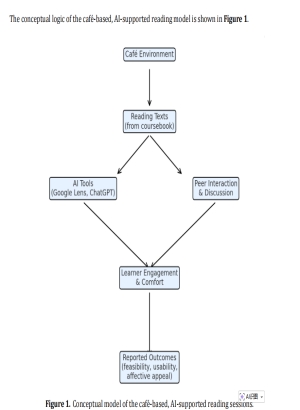
This pilot study explored the potential of relocating English as a Foreign Language (EFL) reading activities to a café setting supported by AI tools. Sixteen intermediate learners (B1–B2) participated in an eight-week, single-group program that combined Google Lens and ChatGPT with peer discussion and instructor guidance. Data were collected through pre/post self-report surveys and guided post-...

View pdf Read more →
Fragile Interfaces: Electronic Literature and the Poetics of Vulnerability
6 (Views) 4 (Downloads)

Fragile Interfaces: Electronic Literature and the Poetics of Vulnerability

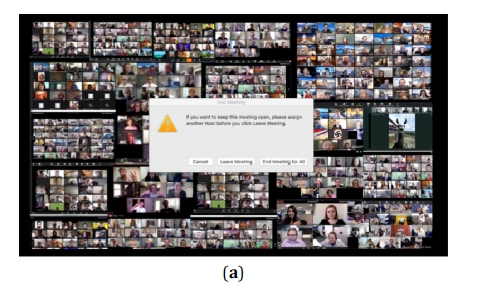
This article explores the concept of fragile interfaces to examine how electronic literature makes visible the socio-technical infrastructures that shape digital subjectivity. Situated at the intersection of Digital Humanities, media theory, and literary studies, the study addresses a gap in current scholarship by arguing that vulnerability in digital works is not only represented thematically ...

View pdf Read more →
Artificial Intelligence and Paternalism: Redefining Liberalism in the Age of Digitization
10 (Views) 4 (Downloads)

Artificial Intelligence and Paternalism: Redefining Liberalism in the Age of Digitization

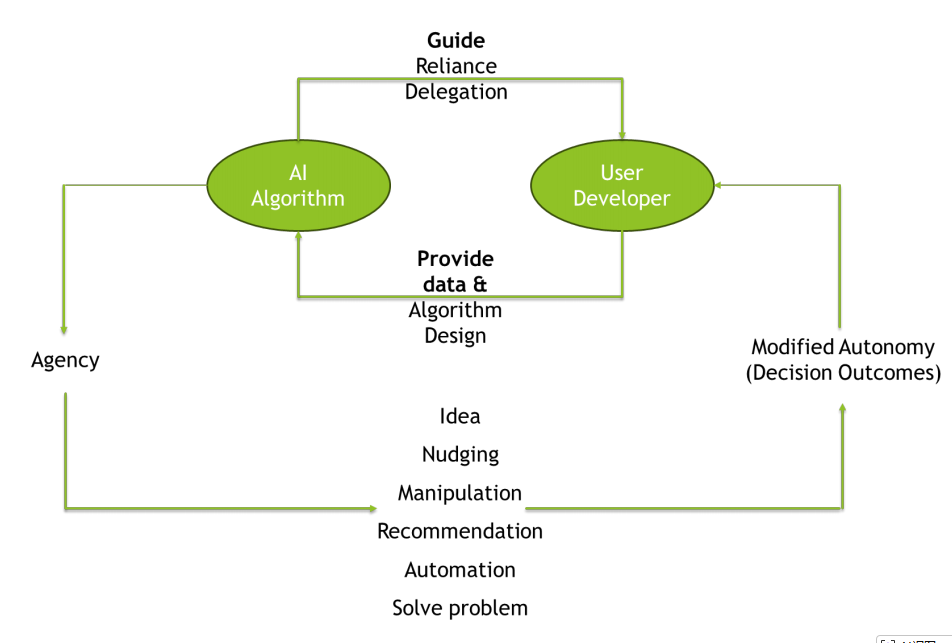
This article explores the evolving role of artificial intelligence (AI) as a paternalistic force and its implications for liberal autonomy in the digital age. It reframes AI not merely as a tool or threat, but as a socio-technical agent whose influence emerges through behavioral guidance, manipulation, and decision-making structures. Drawing on philosophical, sociological, and technological per...

View pdf Read more →