Smart Waste and Sustainable Systems

Latest Issue
Volume 1, Issue 1
November 2025
Access: Full Open access

Smart Waste and Sustainable Systems is a gold open access, peer-reviewed international journal dedicated to publishing high-quality research on sustainable waste management and resource utilization. The journal provides a focused platform for interdisciplinary studies that address the environmental, technological, economic, and social dimensions of waste and resource systems.

E-ISSN: 2978-4433

Frequency: Semi-annual

Language: English

Submit Manuscript

Latest Published Articles

Article Article ID: 1575

Monitoring Green Transformation in Organized Industrial Zones: A Case Study of Adana Hacı Sabancı OIZ Wastewater Treatment Project

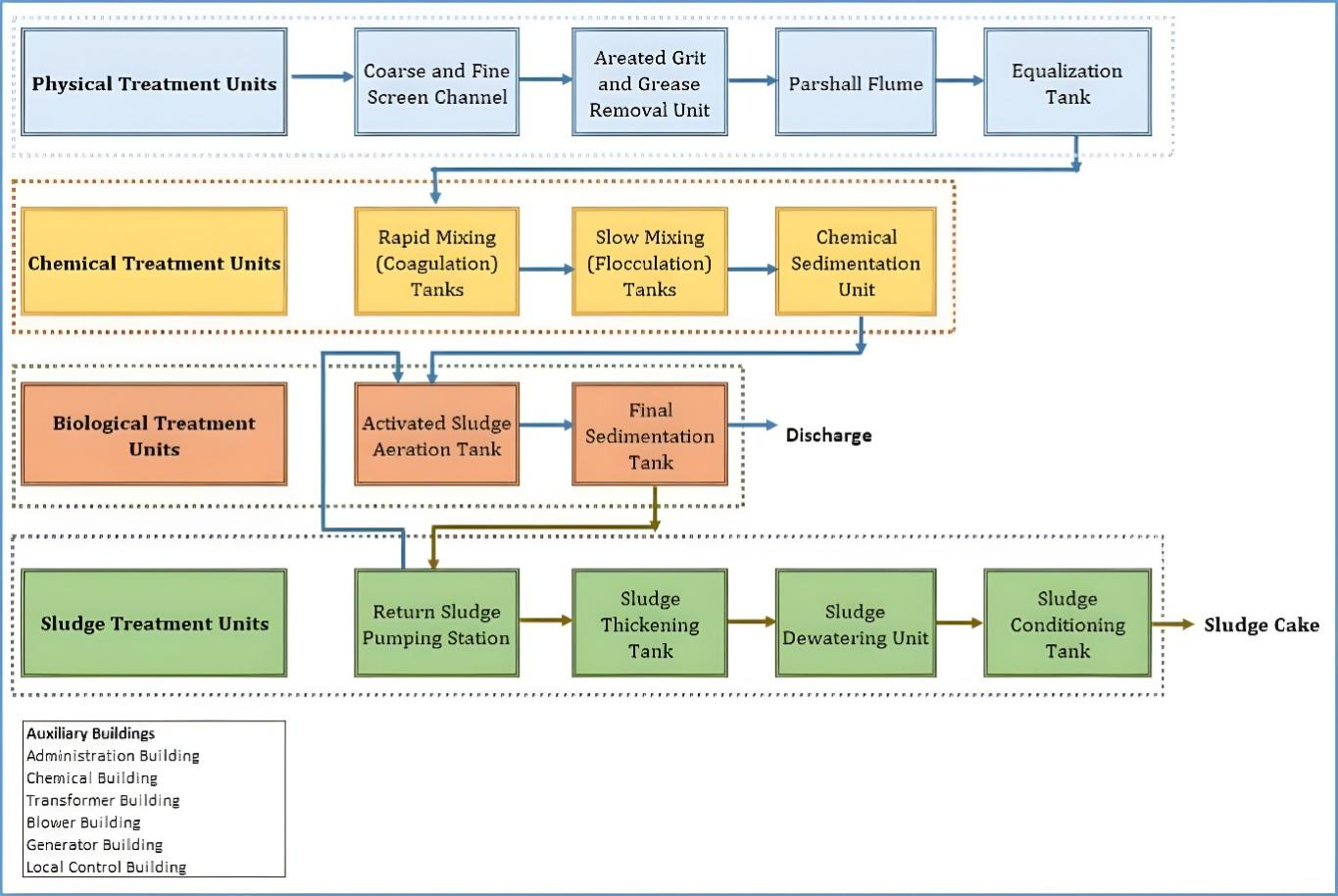
Policies for green transformation, designed to mitigate the environmental consequences of industrialization, have become a strategic necessity for Organized Industrial Zones (OIZs). This research examines the crucial role of wastewater treatment plants (WWTPs) in facilitating such transformation, particularly through alignment with the United Nations' Sustainable Development Goals (SDGs 6 and 9). The case study focuses on the Adana Hacı Sabancı Organized Industrial Zone (AOIZ) in Turkey, where a World Bank-funded initiative doubled the plant’s capacity from 20,000 m³/day to 40,000 m³/day, integrating advanced biological nutrient removal units and SCADA-based real-time monitoring systems. Post-renovation assessments revealed that the removal efficiencies of Biochemical Oxygen Demand (BOD₅) and Chemical Oxygen Demand (COD) improved from 85% and 78% to over 95% and 90%, respectively. Specific energy consumption decreased by 23%, and treated wastewater reuse increased by 30%, enabling water recycling for agricultural and industrial use. These metrics were benchmarked against national regulations and EU Best Available Techniques (BAT-AELs), demonstrating strong compliance and performance. This study synthesizes international comparative literature from China, Vietnam, and Jordan to provide a contextualized understanding of the findings. It evaluates the project using key performance indicators (KPIs), including energy efficiency (kWh/m³), sludge generation (kg/m³), and microplastic concentration (particles/L). The results confirm that modernized WWTPs play a central role in achieving environmentally sustainable industrial growth. The paper concludes with strategic recommendations on integrating the circular economy, performance-based monitoring, and scalable green transformation models for policymakers and OIZ managers in emerging economies.

Article Article ID: 2320

Efficient Solid Waste Management at Ha Tsosane Maseru, Lesotho

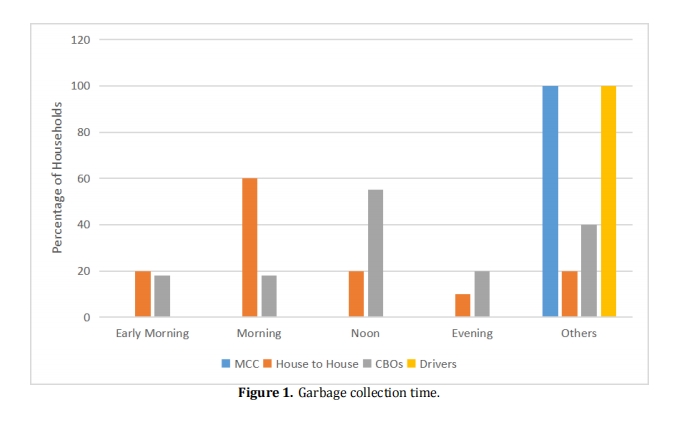
Solid waste management has become a growing concern in many urban areas due to rapid population growth, urbanization and increased global relevance and why the study matters. This study examined how solid waste is managed, collected and transported in Maseru City, with the aim of identifying ways to improve service delivery while reducing environmental impacts makes the purpose more precise and concise. Data were collected using a combination of questionnaires, interviews and direct observation, providing reliable first-hand information on existing practices and challenges, avoiding unnecessary detail and improving clarity. The findings reveal that waste management in Maseru is constrained by poor planning, including the unsuitable location of the Ts’osane dump site, the absence of designated collection points and a lack of organized collection routes shifts from description to interpretation of results. Waste collection areas are mainly determined by population size and waste generation levels rather than systematic planning, while access limitations further affect service coverage. These challenges reduce the efficiency of waste services and contribute to environmental risks links findings to their implications. The study concludes that improving waste management in Maseru requires better planning and the development of clear, science-based guidelines for selecting disposal sites and organizing collection systems. Strengthening these aspects would enhance service efficiency, reduce environmental impacts and support sustainable urban development states recommendations and practical significance.

View All Issues